

What is Complex PTSD? Understanding the Wounds We Cannot Always See
Many people have heard of PTSD (Post-Traumatic Stress Disorder), often associated with a single traumatic event such as an accident, assault, or natural disaster. But Complex PTSD (C-PTSD) is different. It develops not from one overwhelming experience, but from repeated, prolonged experiences of harm, particularly in situations where escape was difficult or impossible.
For many survivors, Complex PTSD is not simply a disorder. It is an adaptation. It is the nervous system, mind, body, and spirit learning how to survive circumstances that were never meant to be endured.
How Does Complex PTSD Develop?
Complex PTSD is commonly associated with experiences such as:
Childhood abuse or neglect
Domestic and family violence
Sexual abuse
Emotional abuse and coercive control
Attachment disruptions
Chronic bullying
Cult involvement or organised abuse
Living in environments characterised by fear, unpredictability, or shame
When trauma occurs repeatedly, particularly during childhood, it shapes how we see ourselves, other people, and the world around us.
The child who learns that their needs are too much, their emotions are unsafe, or their boundaries are not respected often grows into an adult carrying those beliefs long after the danger has passed.
The Many Faces of Complex PTSD
Complex PTSD is often misunderstood because its symptoms extend far beyond flashbacks and nightmares.
People living with C-PTSD may experience:
Persistent feelings of shame, guilt, or worthlessness
Difficulty trusting others
Hypervigilance and anxiety
Emotional overwhelm or emotional numbness
People-pleasing and fawning responses
Difficulties with boundaries
Chronic self-criticism
Dissociation or feeling disconnected from oneself
Relationship challenges
Perfectionism and overachievement
Physical symptoms such as fatigue, pain, digestive issues, and sleep difficulties
Many survivors spend years believing there is something inherently wrong with them when, in reality, these patterns often make perfect sense in the context of what they have lived through.
Trauma Lives in the Whole Person
Western psychology has helped us understand how trauma impacts the brain, nervous system, attachment system, and emotional wellbeing. Research from clinicians such as Dr. Bessel van der Kolk, Dr. Stephen Porges, and Dr. Dan Siegel has demonstrated that trauma is not simply stored as memories—it becomes embedded within the body and nervous system.
Yet many spiritual traditions have long understood something similar.
Eastern philosophies often describe suffering as creating disconnection, from ourselves, from others, from nature, and from our deeper sense of meaning and belonging. Whether we call it spirit, essence, soul, or consciousness, trauma can leave people feeling profoundly separated from who they truly are.
Many survivors describe feeling as though they lost themselves somewhere along the way.
From a holistic perspective, Complex PTSD affects:
The mind through beliefs and memories
The body through nervous system dysregulation
Relationships through attachment wounds
The spirit through disconnection from meaning, purpose, and self
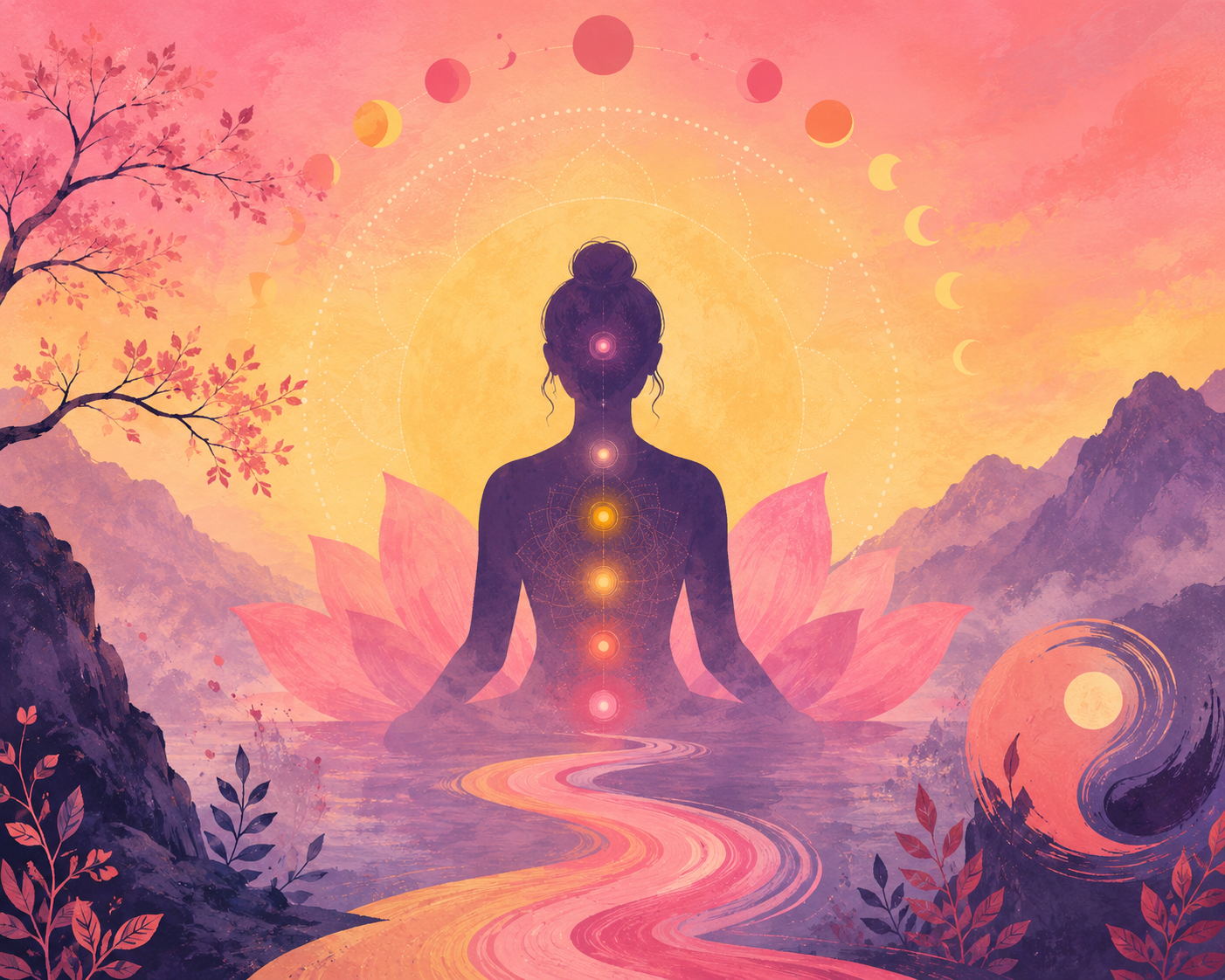
Healing therefore involves more than symptom reduction. It involves reconnection.
What Does Healing Look Like?
Healing from Complex PTSD is rarely linear.
It is often less about "getting over it" and more about creating a new relationship with ourselves.
Therapeutic approaches such as EMDR, Parts Work, Relational Integrative EMDR, somatic therapies, mindfulness, and attachment-focused therapies can support survivors to gently process traumatic experiences while building safety within the present.
Healing may involve:
Learning to regulate the nervous system
Understanding survival responses
Building self-compassion
Reconnecting with emotions safely
Developing healthy boundaries
Cultivating supportive relationships
Exploring spirituality, meaning, and purpose
Reclaiming lost parts of oneself
One of the most powerful shifts occurs when survivors stop asking, "What's wrong with me?" and begin asking, "What happened to me?"
There Is Hope
Complex PTSD can make life feel exhausting. It can leave people carrying burdens that were never theirs to hold.
But healing is possible.
Not because the past changes, but because our relationship with the past can change.
The journey often involves learning that the strategies that once protected us are no longer the only ways to live. Over time, safety can replace survival. Connection can replace isolation. Compassion can replace shame.
And perhaps most importantly, survivors can discover that beneath the wounds, there was never anything wrong with them in the first place.
There was simply a person doing their very best to survive.