

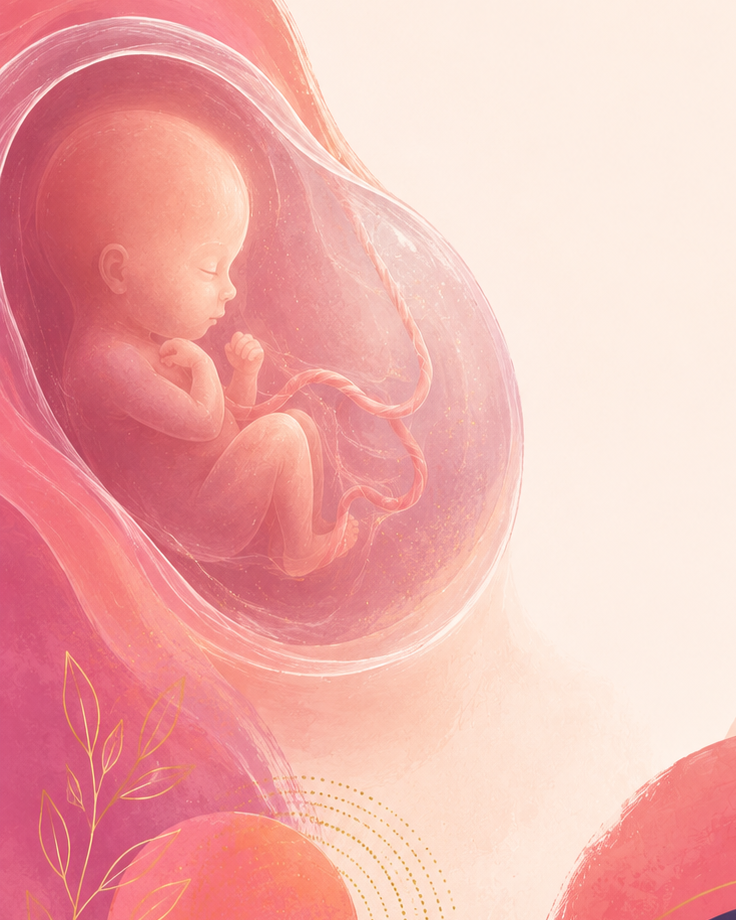
Before Words: Working with Preconception, In-Utero, Birth and Infant Trauma
What happens when trauma began before we had words—or even before birth? Explore how preconception, in-utero, birth and infant experiences may shape our nervous system, and how RI-EMDR can work with the body, parts, imagery, relationship and spiritual meaning to support deep, generational healing.
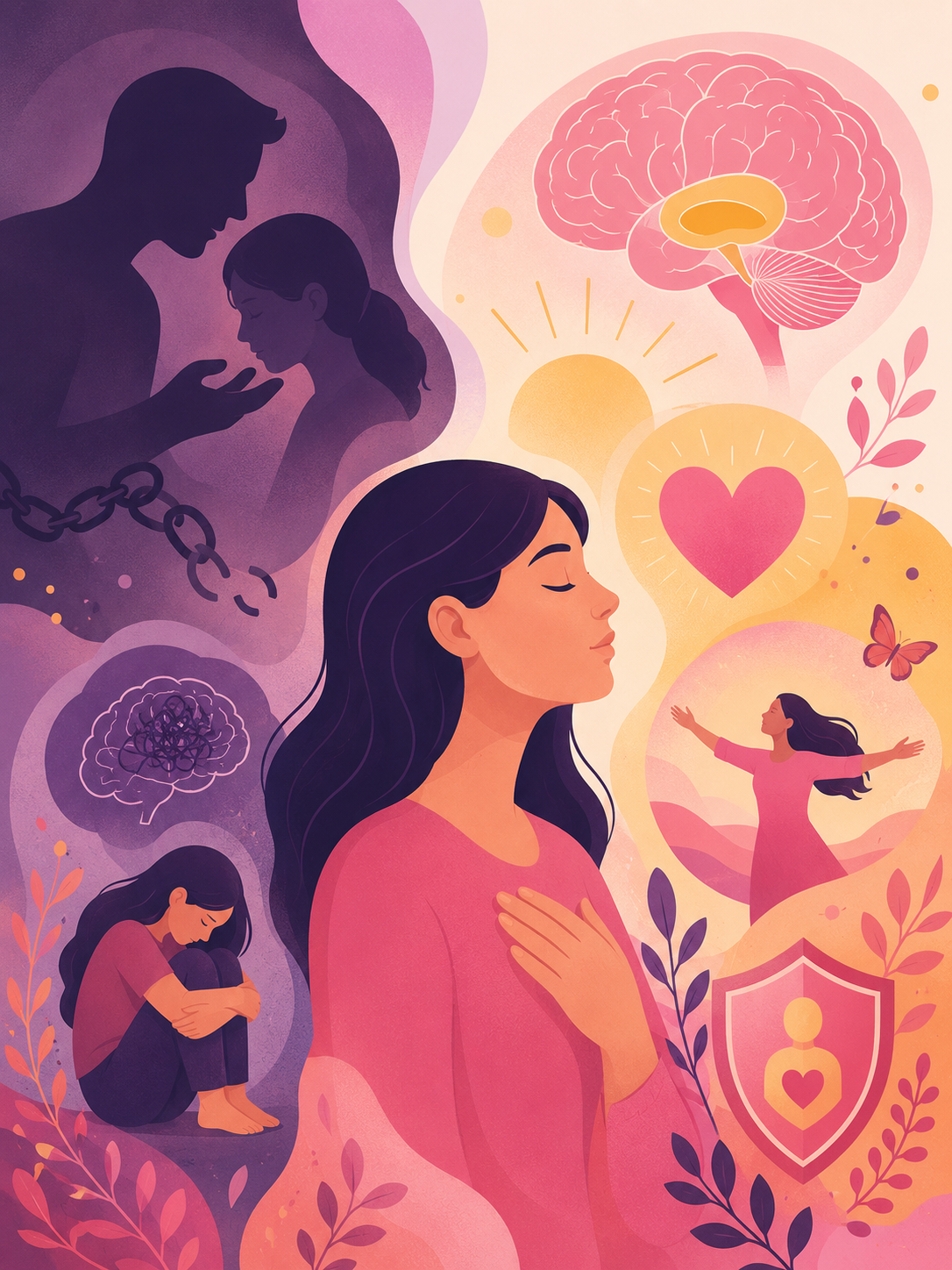
The Neuroscience of Repeat Victimisation
Why do some survivors experience abuse more than once? The answer is not that they "attract" abuse. Trauma can change the brain, nervous system and threat detection in ways that perpetrators deliberately exploit. In this article, we explore the neuroscience behind repeat victimisation, the effects of grooming and boundary erosion, and why accountability always belongs with the perpetrator—not the survivor.

5 Common Mistakes Therapists Make with Trauma Survivors
The Most Common Mistakes Therapists Make With Trauma Survivors
Working with trauma survivors requires more than good intentions and therapeutic techniques. Trauma changes how people experience safety, relationships, emotions, and even their own bodies. Yet many therapists unknowingly make common mistakes—moving too quickly into trauma stories, focusing on symptoms rather than survival strategies, mistaking compliance for safety, forgetting the role of the body, and underestimating the healing power of the therapeutic relationship.
In this article, I explore these common pitfalls and what trauma survivors actually need from the professionals supporting them. Whether you're a therapist wanting to deepen your practice or someone seeking to understand your own healing journey, this piece offers practical insights, compassion, and hope.
Because trauma survivors don't need perfect therapists. They need therapists who can slow down, stay curious, and create enough safety for healing to unfold.
✨ Read more to discover how small shifts in perspective can transform trauma therapy—and why reflective practice and quality clinical supervision remain essential in doing this work well.

What is Complex PTSD? Understanding the Wounds We Cannot Always See
Many people think trauma is something that happened in the past.
But for those living with Complex PTSD, trauma often continues to shape the present through anxiety, hypervigilance, emotional overwhelm, people-pleasing, perfectionism, relationship difficulties, chronic shame, or a feeling of being disconnected from themselves.
Complex PTSD isn't a sign that something is wrong with you.
It's often the result of living through experiences that required you to adapt in order to survive.
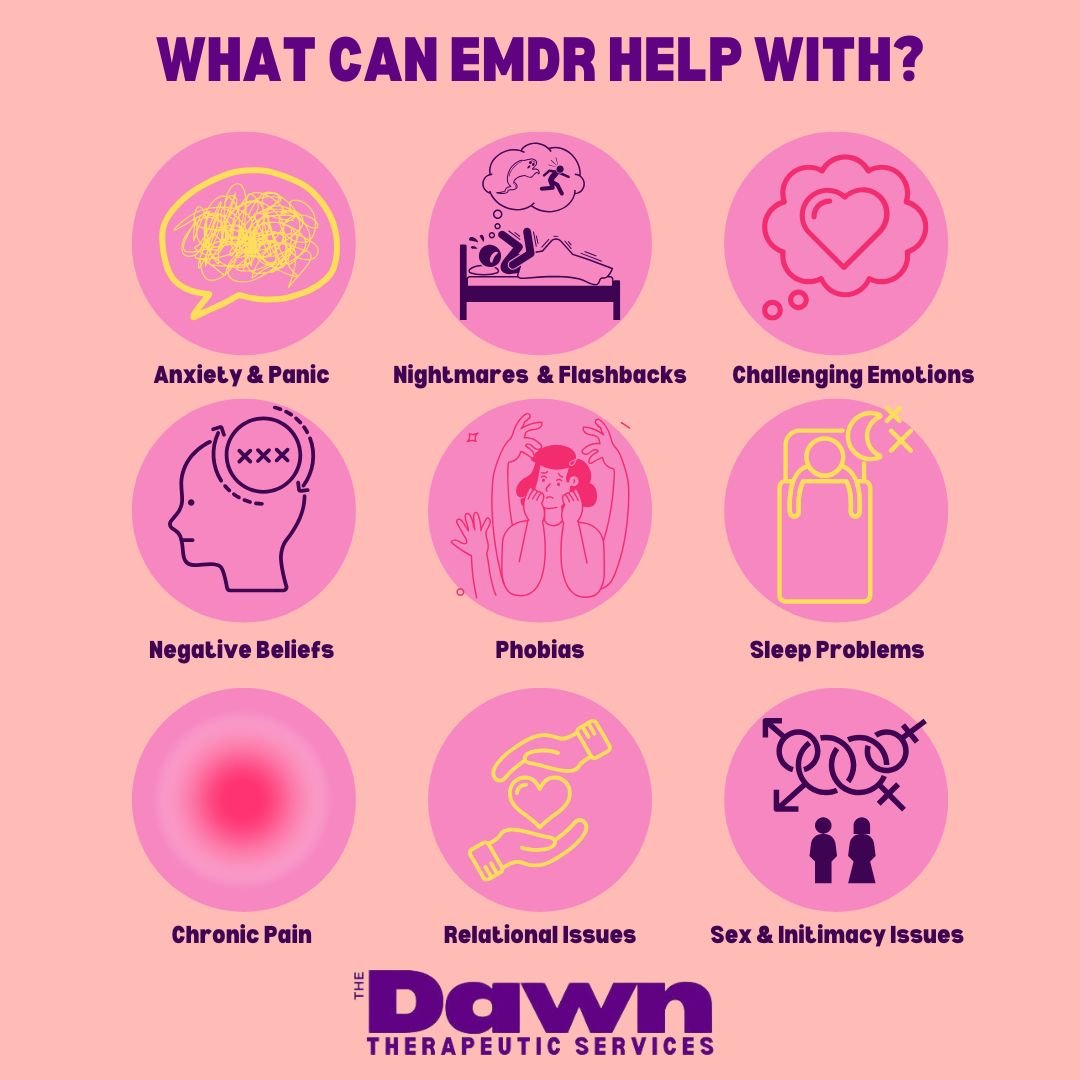
Trauma Therapy and EMDR
What is EMDR therapy and how does it help heal the impacts of trauma?

What makes a “trauma specialist”?
Do you need to see a trauma specialist? This blog provides some insights to the differences between generalist and specialist counsellors and what may qualify someone as a Trauma Specialist.

BODY IMAGE. The blog.
Body image - the history of body positivity, key concepts and what makes a healthy body image!

Demystifying Dialectical Behavioural Therapy (DBT)
DBT is a form of cognitive behavioural therapy that is designed to help you understand and manage difficult and intense emotions and high levels of distress. DBT has mostly been associated with the treatment of personality disorders, in particular Borderline Personality Disorder, but has been shown to be effective with stabilising symptoms of trauma, mood disorders, substance abuse, eating disorders, and where self-harm and suicidality are presenting issues.

The power of parts work

The Bondi Tragedy… and the ripples on us all
There are two things many of us are grappling with…
What the f*** needs to be done to keep women from dying at the hands of male violence?
What the f*** needs to be done to improve our flawed mental health system?

Trauma 101
Trauma is a buzz word of the times, but what is it? How does trauma show up in our lives? And what can we do to heal from the trauma we have experienced?

Shame: the power of the unspeakable
Shame is a powerful emotion that can deeply affect our lives. By understanding its nature, recognizing its impacts on our bodies and minds, and implementing strategies to overcome its burden, we can gradually release ourselves from the grip of shame.

Navigating the Trauma of Loss and Grief: A Journey towards Healing
Grief can be one of the most challenging emotional and human experiences of our lives. Finding ways to live with the grief can help with the healing process.

Parenting teens… 5 strategies to ride the rollercoaster.

The Perinatal Period: the impact of Childhood Sexual Abuse

Healing trauma: The power of sleep & rest.

Is it me? Am I the drama?

The body’s wisdom… 5 interventions for building somatic awareness.

The anxiety epidemic.

Respond instead of react! 5 ways to manage triggers…
It all begins with an idea.